Your attic looks like a 5-star hotel to a squirrel
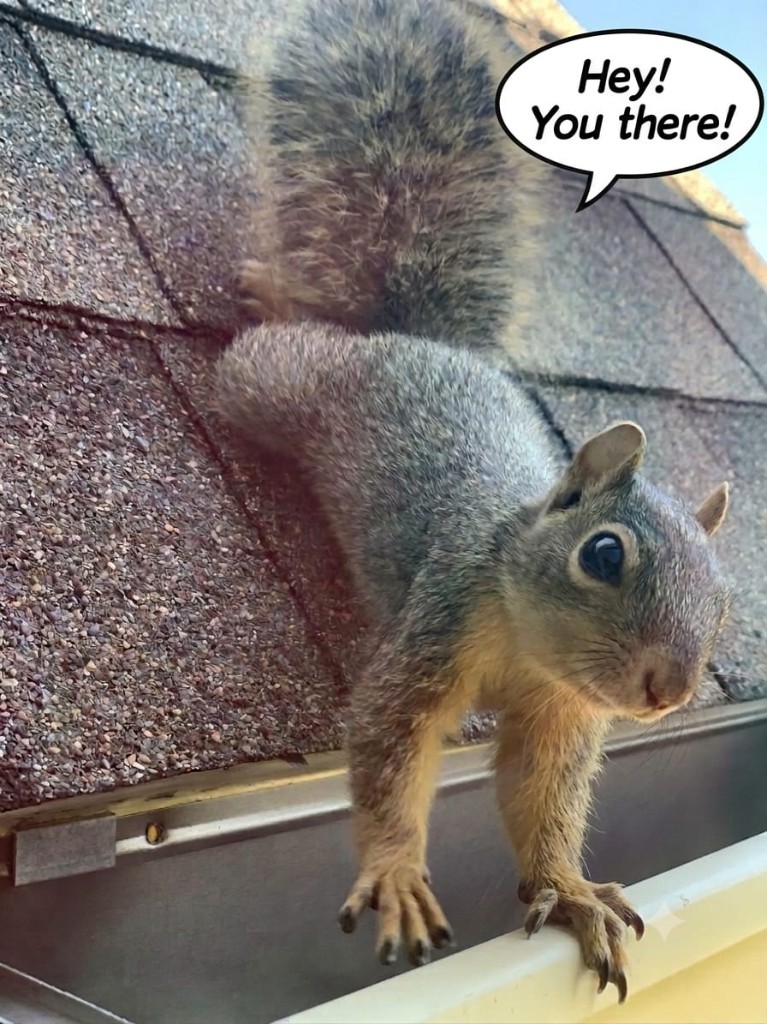
If you have heard scratching in the soffits, found insulation pulled apart, or spotted a squirrel on the eavestrough staring back at you — you are not imagining it. Across the GTA and surrounding Ontario communities, squirrels routinely target the softest entry point on a roof: standard plastic roof vents.
Warmth, dryness, and a predator-proof space make an attic the perfect nest. Plastic vents are simply the front door.
Two breeding seasons every year — twice the pressure on your roof
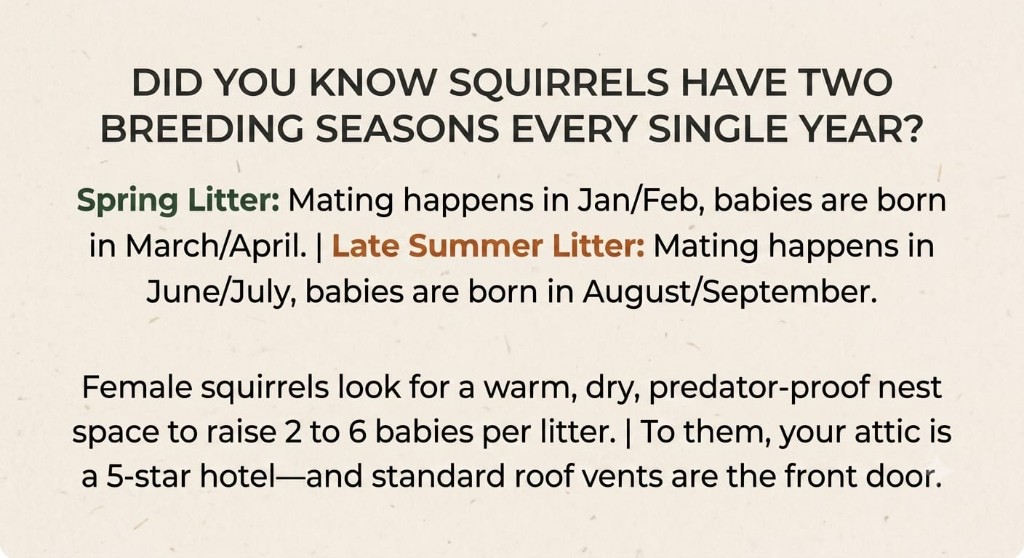
Did you know squirrels have two breeding seasons every single year? Spring mating happens in January and February, with babies born in March and April. Late-summer mating happens in June and July, with babies born in August and September.
Female squirrels look for a warm, dry, predator-proof nest to raise two to six kits per litter. That calendar means homeowners can face attic intrusion twice a year — not just in one “pest season.”
How the breeding cycle maps to nest season
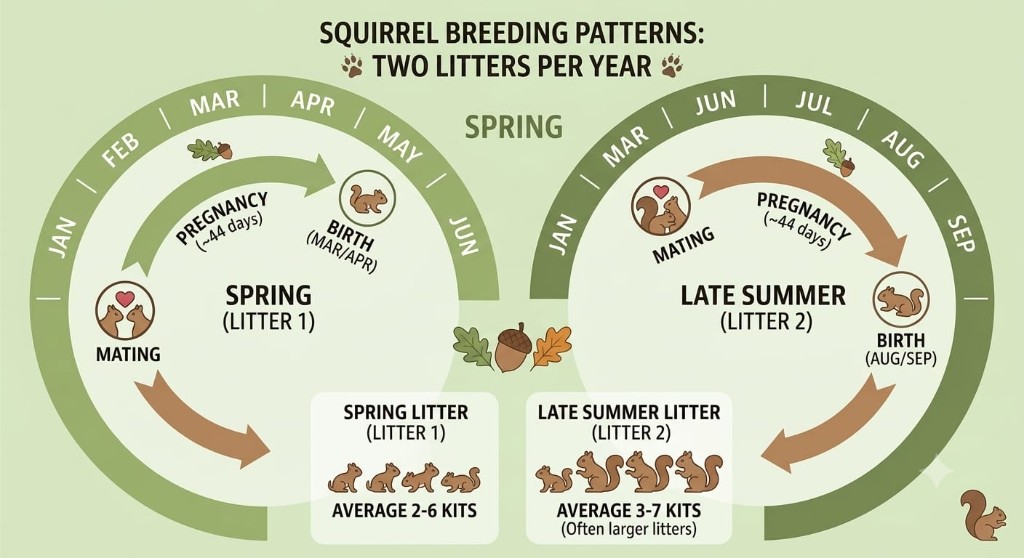
Spring litters average two to six kits after about 44 days of pregnancy. Late-summer litters often run larger — three to seven kits. When mothers need a safe place to raise young, compromised vents and thin plastic housings become priority targets.
If your vents are already chewed or loosely screened, peak litter months are when activity — and damage — usually spikes.
Plastic roof vents stand zero chance against a squirrel’s teeth
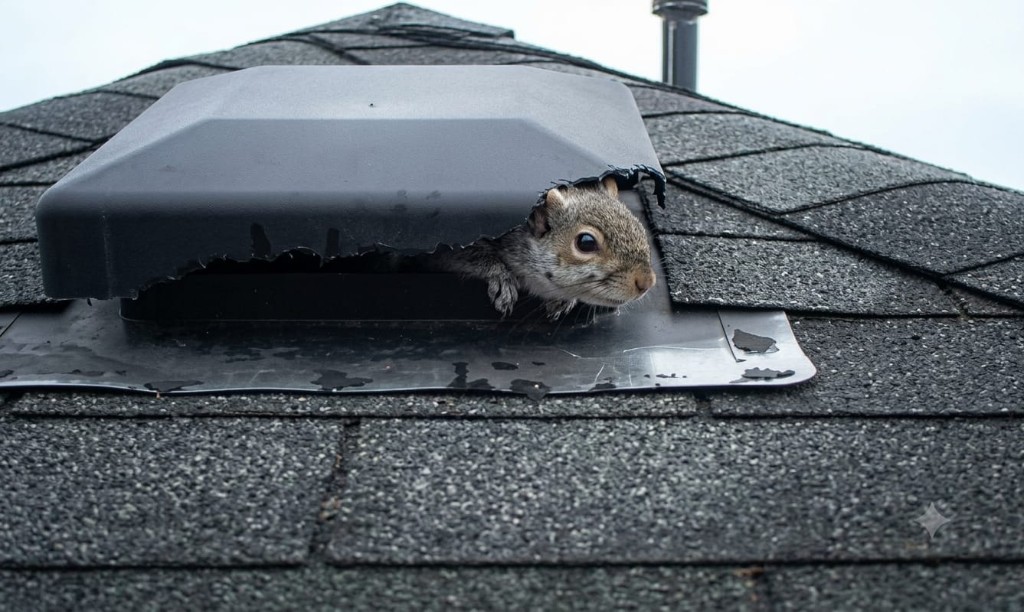
A squirrel’s front teeth grow continuously. That means they can — and will — gnaw through soft plastic in a matter of minutes to build a nest.
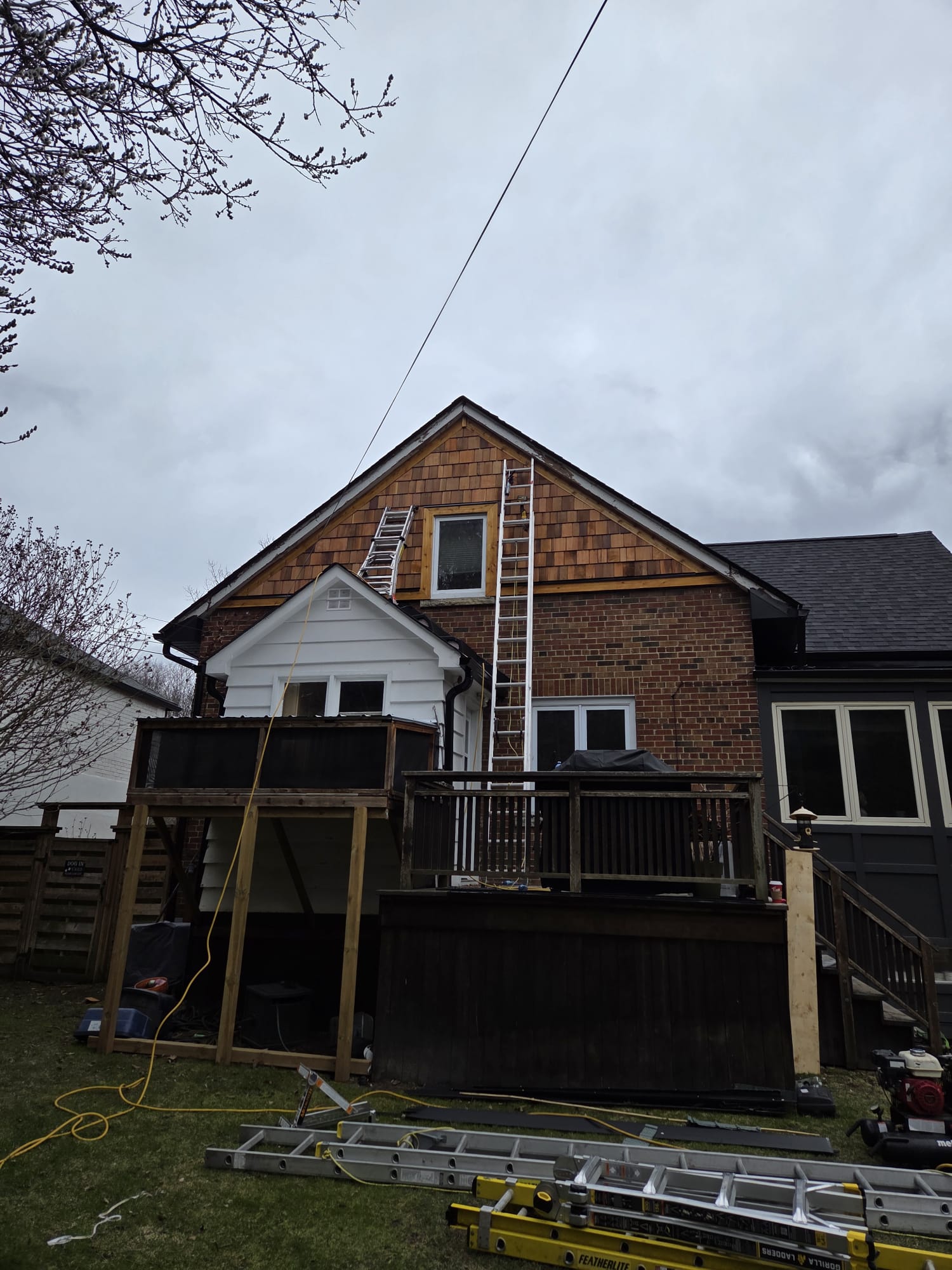
Once they chew through a plastic vent, you are not just dealing with pests. You are opening your home to water leaks, damaged insulation, and torn wiring. The photo at the top of this article shows exactly what a single determined squirrel can do to a standard plastic box vent.
What you find once they get inside
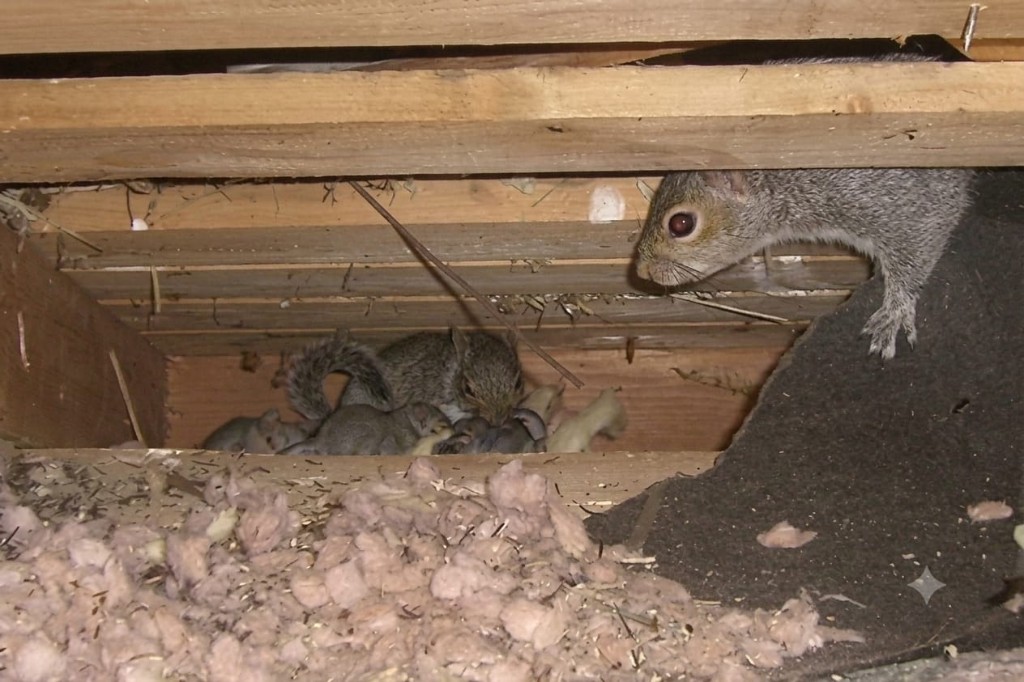
Chewed openings lead to nests packed with debris, shredded insulation, and sometimes an entire litter tucked between joists. That activity compresses insulation, creates odours, and can damage wiring and underlayment.
At that point you are paying for wildlife removal and roof repair — often more than once if the vent that failed is simply patched with the same soft plastic.
They are already on your roof more often than you think
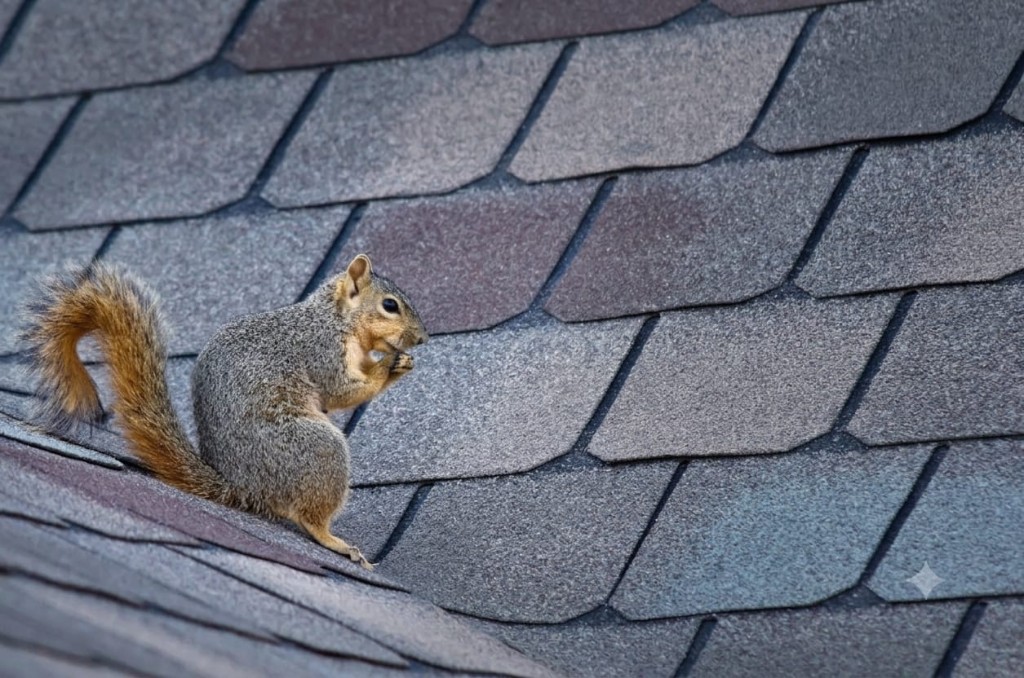
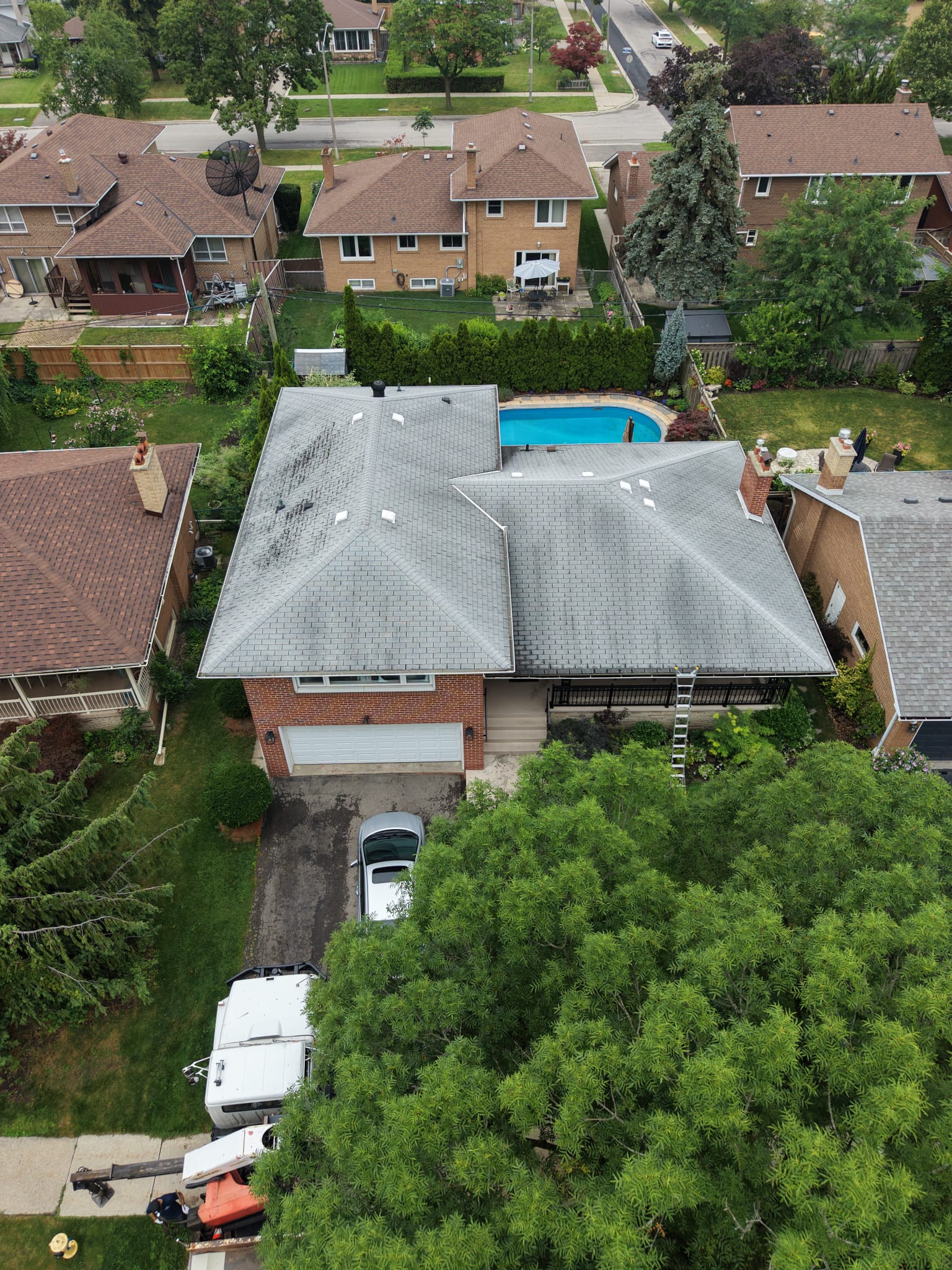
Squirrels treat rooftops like highways. Food, nesting material, and easy access points all sit along the same slope. If your vents are plastic — or have already been chewed and “fixed” with a weak screen — you are inviting a repeat visit.
Do not install inadequate DIY vent guards
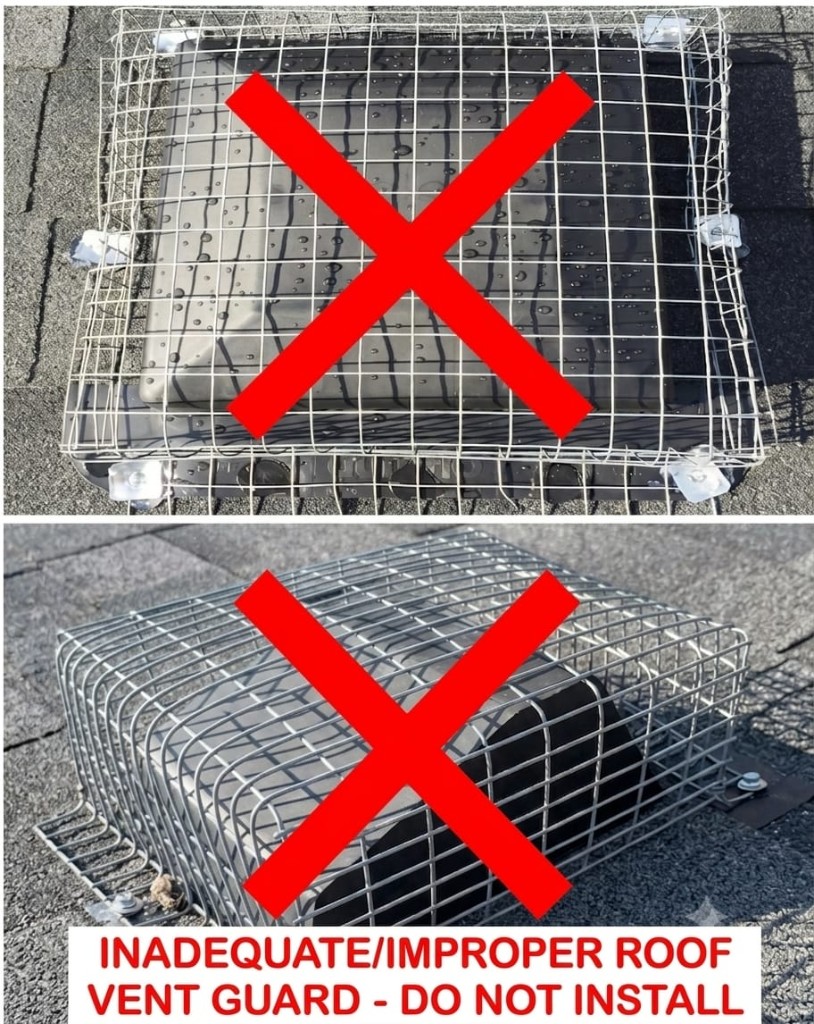
Homeowners often try to solve chewing with thin wire mesh, sealant blobs, or loose cages bolted through the shingles. These setups look busy but rarely hold up. Mesh bends, seals crack, and brackets create new leak points.
If a guard can be flexed by hand or is held on with caulking, a squirrel can work around it. Do not install inadequate or improper roof vent guards — they waste money and leave the attic exposed.
The upgrade that works: heavy-duty metal roof vents
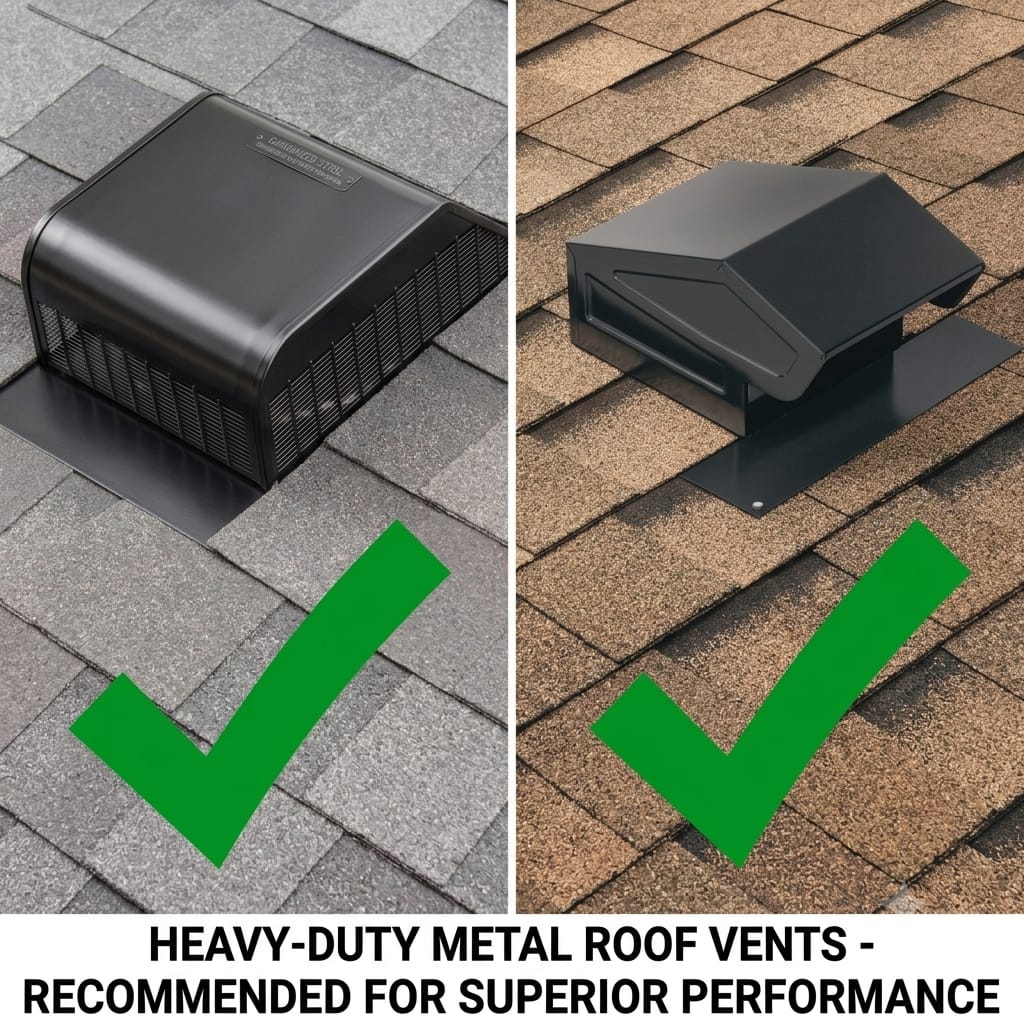
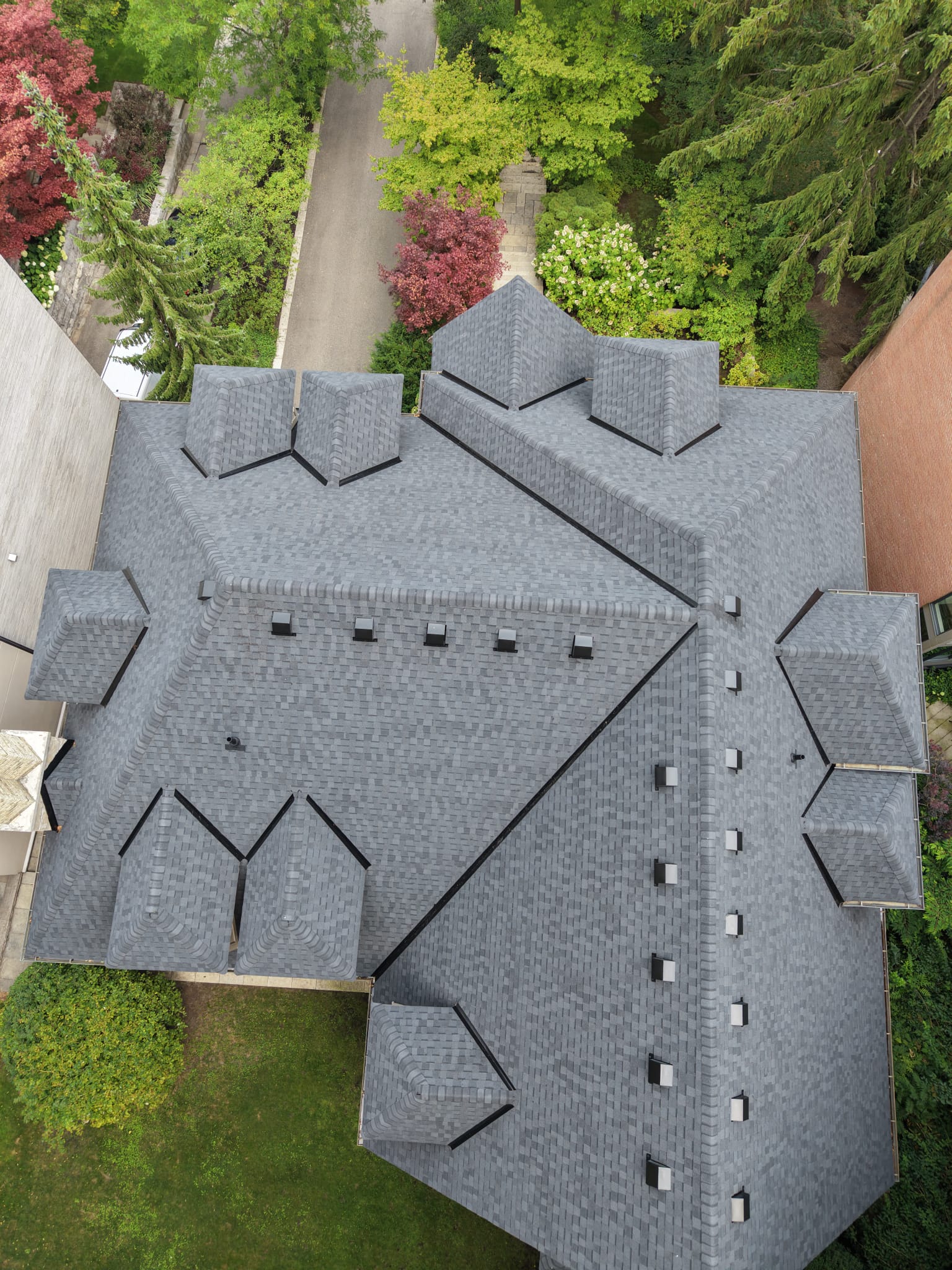
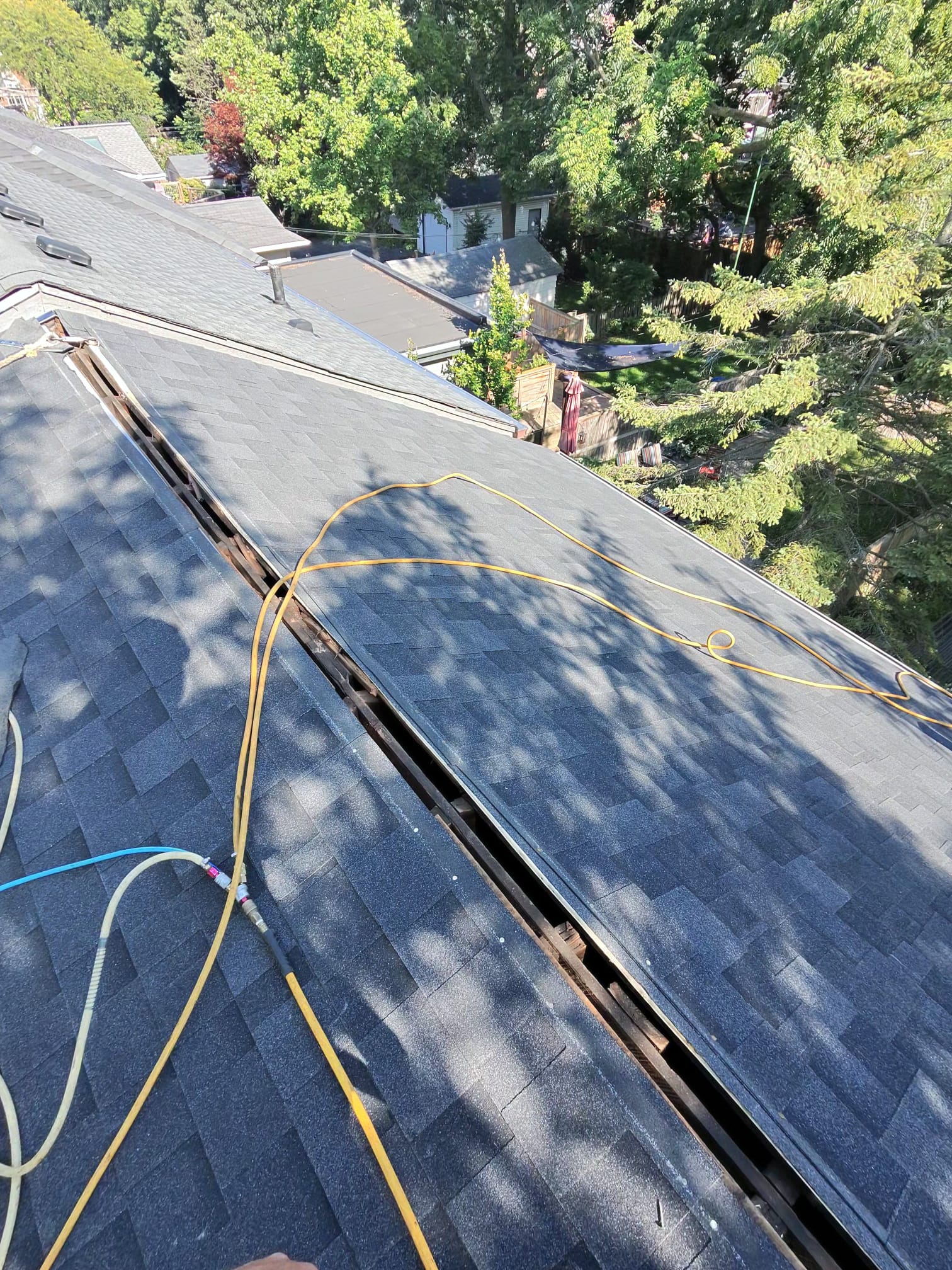
Heavy-duty metal roof vents are the recommended fix for superior performance. Proper metal housings with integrated flashing resist chewing, keep airflow where your attic needs it, and install cleanly into architectural shingle systems.
Squirrels cannot chew through thick steel or aluminum the way they shred plastic. Upgrading vents protects your attic, keeps insulation intact, and saves thousands in pest control and leak repairs down the road.
Stop repairing animal damage over and over again
At Keen Roofing, we install heavy-duty metal roof vents built to withstand Ontario weather — and local wildlife. Pairing the right vent with a sound shingle or metal roof system is how you end the cycle of chew, patch, and leak.
Protect your home the right way. Contact Keen Roofing for an inspection — call (437) 236-3045 or book a free on-site assessment. We will check vents, entry points, and the overall roof system, then recommend a lasting solution.